



How to Support Emotional Resilience in Children: A Practical Guide
Learn practical ways to build emotional resilience in children, support kids’ mental health, and teach coping skills for stress and anxiety.
Learn practical ways to build emotional resilience in children, support kids’ mental health, and teach coping skills for stress and anxiety.

“Raising creative, resilient children doesn’t require expensive programs — it starts with daily habits: more play, less screen time, and a safe space to explore and fail. Small changes today can shape extraordinary kids tomorrow.”

Tired of constant battles, yelling, or punishments that don’t work? Discover research-backed positive discipline strategies that help children manage emotions, build trust, and cooperate—without stress or power struggles.

Communication is one of the most important skills a child develops between ages two and five. This article explores how early communication shapes a child’s confidence and future success, which conversations to avoid, and how parents can foster strong, healthy communication habits.
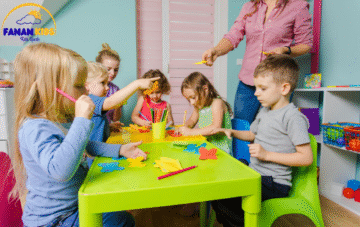
At age seven, children experience remarkable growth in thinking, communication, and independence. This article explores the most important skills every 7-year-old should develop—and practical ways parents and educators can nurture them.

عندما يولد الطفل فإنه يولد فارغا من المعلومات الخاصة بمحيطه الخارجي، وجاهز لاستقبال وتخزين المعلومات الخاصة بكل تجربة يتلقاها ويتكيف معها

In today’s digital age, most children spend far more time on screens than experts recommend. This guide helps parents understand how much is too much, and how to shape healthy device habits that support development, not hinder it.

Learn how to understand and manage frustration, shyness, and aggression in children. This guide helps parents identify the emotional roots of these behaviors and offers practical strategies to build confidence, empathy, and self-control in kids.

Jack quietly moved up front and seized the big ball of wax

Engaging children in hands-on and mental activities helps shape their intelligence, creativity, and problem-solving skills. Discover why these activities matter and how parents can make learning fun and effective.

At age four, children are curious, active, and full of imagination. Discover the essential skills they should develop and easy activities to help them grow confidently and creatively.

At age five, children grow rapidly in confidence, communication, and learning. Explore the essential skills they need and discover fun activities to help them thrive.