

Is your 5-year-old ready for school and new challenges ahead?
What skills should they master at this stage to grow with confidence and curiosity?
And how can parents and educators support them through fun, meaningful activities?
At five years old, children are stepping into a new phase of independence, exploration, and social interaction. This age is full of incredible growth in language, logic, creativity, and emotional understanding. In this article, we’ll explore the key skills every 5-year-old should develop—and share simple, engaging activities that help children build a strong foundation for future learning and success.
1. Language and Communication Skills
By age five, most children can express their thoughts clearly, tell stories, and understand conversations. Strong language skills are essential for reading, writing, and building confidence in communication.
Activities to enhance communication:
-
Storytelling and role-play: Let children invent characters and act out scenes.
-
Word games: Play “I Spy,” rhyming, or alphabet games to boost vocabulary.
-
Daily conversations: Ask about their day and encourage them to explain their feelings.
These practices strengthen speaking, listening, and comprehension abilities—key for school readiness.
2. Cognitive and Problem-Solving Skills
Five-year-olds are naturally curious thinkers. They begin to understand patterns, numbers, and early reasoning. Encouraging critical thinking helps them become confident learners.
Activities to build cognitive skills:
-
Puzzles and logic games to develop focus and memory.
-
Sorting and counting objects using everyday items like fruits or toys.
-
Science play: Observe shadows, plant seeds, or mix colors to inspire discovery.
Such activities nurture creativity, persistence, and the ability to connect ideas.
3. Social and Emotional Development
At this age, children are learning empathy, cooperation, and self-control. They begin forming deeper friendships and understanding group dynamics.
Activities to support emotional and social growth:
-
Team games that teach sharing and following rules.
-
Emotion discussions using books or pictures to identify different feelings.
-
Helping at home or in class to build a sense of responsibility.
Positive relationships and emotional awareness help children thrive in group settings like kindergarten.
4. Motor Skills: Strength and Coordination
Five-year-olds are becoming more skilled at using their hands and bodies. Fine motor skills (for writing and detailed tasks) and gross motor skills (for movement and balance) both need regular practice.
Activities to improve motor development:
-
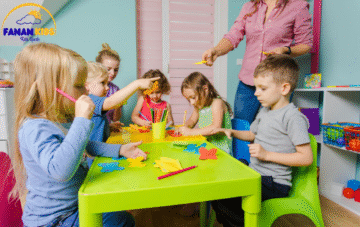
Fine motor: drawing, cutting, buttoning clothes, or building with small blocks.
-
Gross motor: jumping rope, climbing, throwing and catching balls.
-
Creative movement: dancing or yoga to promote balance and flexibility.
These skills build independence and prepare children for school activities like writing and sports.
5. Early Academic and Self-Help Skills
By age five, children are ready to explore early academics and everyday life skills. They begin to recognize letters, sounds, and numbers while also managing personal routines.
Activities to encourage early learning:
-
Letter and number games with cards, songs, or tracing worksheets.
-
Matching sounds to pictures for early reading practice.
-
Practical tasks like setting the table, organizing toys, or dressing themselves.
These experiences build confidence, independence, and readiness for formal education.
Conclusion
The age of five is a bridge between early childhood and school life—a time when children’s minds, emotions, and abilities expand rapidly. By supporting your child through language, thinking, social, motor, and academic development, you prepare them not only for school but for lifelong learning and success.
Every small activity counts. What matters most is your presence, encouragement, and belief in their growing potential.