

The age of three is one of the most exciting and critical stages in a child’s development. During this period, children experience a burst of growth in language, movement, social interaction, and thinking skills. Helping them master key abilities at this stage builds the foundation for lifelong learning and confidence.
In this article, we’ll explore the most important skills a 3-year-old should develop and practical activities that parents and educators can use to nurture them.
1. Language and Communication Skills
At three years old, children begin to express themselves more clearly and understand longer sentences. They start asking questions, following instructions, and describing their feelings.
Activities to encourage language development:
- Read stories daily and discuss the pictures or characters.
- Sing nursery rhymes and practice repeating simple sentences.
- Ask open-ended questions, like “What do you see?” or “How do you feel?”
Reading and talking regularly with your child not only strengthens vocabulary but also builds emotional connection.
2. Motor Skills: Fine and Gross Movements
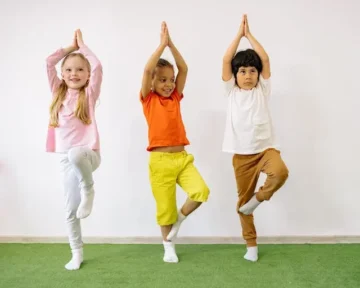
Three-year-olds are naturally active explorers. Developing both fine motor skills (small hand movements) and gross motor skills (whole-body movement) is vital for coordination and independence.
Activities to improve motor skills:
- Fine motor: drawing with crayons, threading beads, using child-safe scissors.
- Gross motor: jumping, climbing, running, dancing, or riding a tricycle.
These activities enhance balance, hand-eye coordination, and body awareness.
3. Social and Emotional Skills
At this age, children begin to understand emotions—their own and others’. They learn to share, take turns, and express empathy. Encouraging emotional growth helps them build healthy relationships later in life.
Activities to promote social-emotional growth:
- Role-play everyday situations like sharing toys or greeting others.
- Storytime with moral lessons to teach kindness and patience.
- Group play with other children to learn cooperation and teamwork.
4. Cognitive and Problem-Solving Skills
Three-year-olds are naturally curious thinkers. They enjoy exploring, sorting, and figuring out how things work. Encouraging problem-solving helps develop logical thinking and focus.
Activities to boost cognitive skills:
- Puzzles and matching games that involve shapes, colors, or animals.
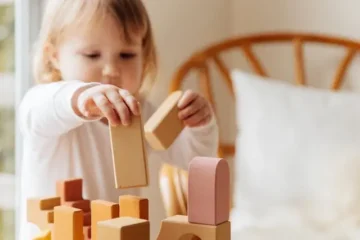
- Sorting activities using blocks or household items.
- Simple experiments like mixing colors with water or building towers.
These experiences nurture creativity, memory, and attention span.
5. Self-Help and Independence Skills
Developing independence gives children a sense of pride and confidence. At this stage, they can begin learning simple daily routines and personal care habits.
Activities to encourage independence:
- Let your child dress themselves or choose their outfit.
- Involve them in tidying up toys or setting the table.
- Teach simple hygiene habits like washing hands before eating.
Through small responsibilities, children learn discipline, self-control, and problem-solving.
Conclusion
The age of three is a magical time filled with discovery and growth. By supporting your child’s development across language, motor, social, cognitive, and independence skills, you’re giving them a strong foundation for future success.
Simple, playful, and consistent activities are the best tools for helping your little one learn, explore, and thrive.