

In today’s fast-paced digital world, children are often surrounded by screens, leaving little time for hands-on exploration or creative thinking. However, engaging kids in manual and mental activities plays a crucial role in their cognitive, emotional, and social development. These activities don’t just keep children busy—they shape how they think, solve problems, and interact with the world.
The Power of Manual Activities
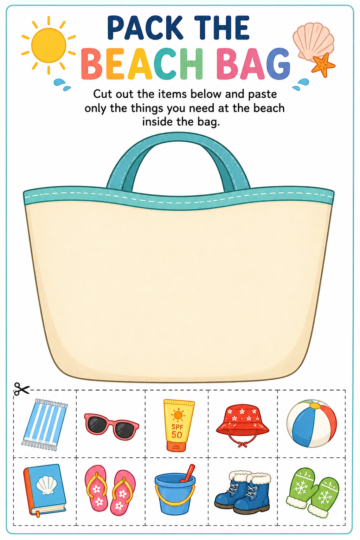
Manual or hands-on activities such as drawing, crafting, building with blocks, or using clay stimulate fine motor skills and encourage creativity. When a child cuts paper, paints, or builds something new, they are also improving their hand-eye coordination, focus, and self-expression.
For instance, crafting a paper animal may look simple, but it teaches planning, patience, and precision. Similarly, activities like cooking together or gardening introduce children to teamwork, responsibility, and sensory exploration.
The Role of Mental Activities in Brain Growth
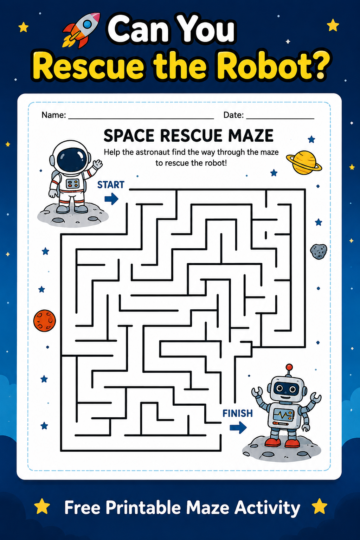
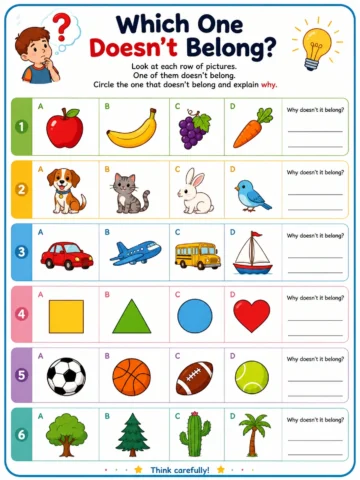
Mental activities such as puzzles, storytelling, memory games, and problem-solving exercises challenge the brain and enhance children’s critical thinking, language development, and logical reasoning. These activities help children learn how to make connections, think creatively, and stay curious.
For example, solving a puzzle improves spatial awareness and perseverance, while reading stories or creating their own tales strengthens imagination and communication skills.
Long-Term Benefits for Life and Future Success
Regular participation in both manual and mental activities doesn’t just benefit children in the present—it sets a foundation for academic success, emotional intelligence, and confidence later in life.
Children who engage in creative play often show better problem-solving abilities, greater adaptability, and higher motivation to learn.
Moreover, these experiences encourage them to explore their talents and passions, helping shape a future generation that is both innovative and resilient.
How Parents and Educators Can Help
Parents and teachers can foster growth by creating a balanced routine that combines fun with learning.
Here are some simple ways to get started:
-
Encourage art and crafts projects using recycled materials.
-
Introduce board games or memory challenges that strengthen focus and logic.
-
Read together daily and discuss the stories.
-
Involve children in daily household tasks—they learn through doing.
-
Limit screen time and replace it with creative playtime.
These simple yet meaningful interactions build stronger connections between adults and children while nurturing lifelong learning habits.
Conclusion
Manual and mental activities are not mere entertainment—they are powerful tools that build the foundations of intelligence, creativity, and emotional strength.
When parents and educators invest time in nurturing these skills, they are not only helping children enjoy their childhood but also preparing them to thrive in life.