

Is your 6-year-old ready to take on new learning adventures?
What abilities should they master now to build confidence and independence?
And how can parents and teachers guide them through this exciting stage of growth?
At six years old, children are stepping into a world of structured learning, friendships, and self-discovery. Their social, cognitive, and emotional skills are expanding rapidly, and they’re beginning to connect knowledge with real-life experiences.
This article exploses the essential skills every 6-year-old should develop, along with practical, engaging activities to help nurture those abilities at home and in the classroom.
1. Language and Communication Skills
By age six, children are becoming fluent communicators. They can tell detailed stories, follow multi-step directions, and express their thoughts more clearly. Strong communication skills support reading comprehension, writing, and emotional intelligence.
Activities to strengthen language skills:
-
Storytelling and journaling: Encourage children to tell or write short stories.
-
Reading together: Discuss characters, settings, and moral lessons in books.
-
Vocabulary games: Play “word of the day” or describe-and-guess games.
These simple practices boost imagination, grammar, and confidence in self-expression.
2. Cognitive and Thinking Skills
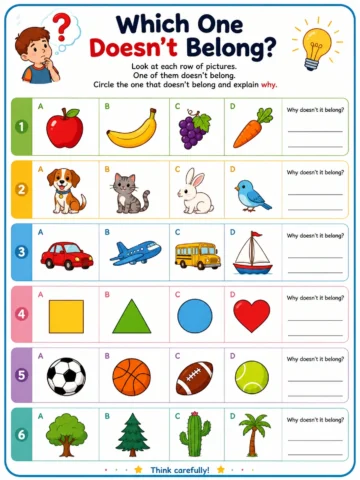
Six-year-olds are natural problem-solvers and love to ask “why” and “how.” Their thinking becomes more logical, and they start understanding time, numbers, and cause-and-effect relationships.
Activities to boost cognitive growth:
-
Math through play: Use blocks, coins, or cooking measurements to practice counting and adding.
-
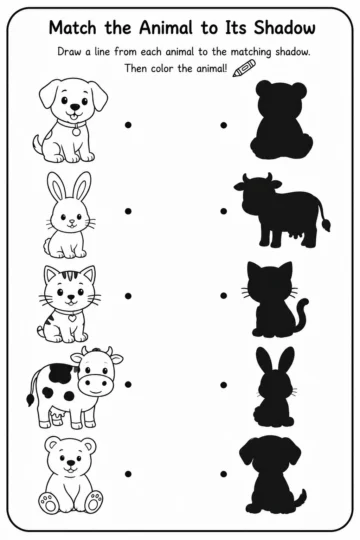
Memory and strategy games: Puzzles, matching cards, or board games like “Connect Four.”
-
Science exploration: Observe nature, grow plants, or explore magnets and water play.
These activities develop critical thinking, curiosity, and persistence—core skills for school success.
3. Social and Emotional Development
At this age, children start forming stronger friendships and understanding empathy and cooperation. They’re also learning how to manage their emotions and take responsibility for their actions.
Activities to encourage social-emotional learning:
-
Group activities: Sports, art projects, or classroom teamwork build cooperation.
-
Emotion discussions: Use books or drawings to help identify and talk about feelings.
-
Role-play: Practice resolving conflicts or expressing kindness through pretend play.
When children feel emotionally supported, they gain resilience, confidence, and stronger social awareness.
4. Physical and Motor Skills
Six-year-olds have more control over their bodies and can perform complex movements. They should continue refining both gross motor skills (whole-body coordination) and fine motor skills (precision and hand control).
Activities to enhance motor skills:
-
Gross motor: running, jumping rope, dancing, or team sports like soccer.
-
Fine motor: drawing, cutting shapes, tying shoelaces, or writing letters.
-
Outdoor play: climbing, balance games, and bike riding for strength and confidence.
Physical activity promotes not only coordination but also focus and overall well-being.
5. Early Academic and Self-Help Skills
At six, children are ready for structured learning and more independence in daily life. They begin reading short sentences, solving basic math problems, and managing simple routines.
Activities to develop independence and academic skills:
-
Reading practice: Use storybooks with pictures and short sentences.
-
Math in daily life: Count steps, compare sizes, or measure ingredients together.
-
Personal tasks: Encourage dressing, organizing school materials, and making simple snacks.
These habits promote responsibility, focus, and a love for learning.
Conclusion
The age of six is a wonderful balance between curiosity and growing maturity. By supporting children in developing their language, cognitive, emotional, and physical skills, parents and educators help them build confidence and a lifelong passion for learning.
Every small activity—from reading together to solving puzzles—lays the groundwork for independence, creativity, and future success.