

Are you wondering what abilities your 7-year-old should be mastering at this stage?
Do you often ask yourself if your child is developing the right emotional, social, and learning skills for their age?
At this important age, children are stepping into a new phase of independence and confidence. Understanding the core skills your child needs—and how to nurture them—can make a big difference in their learning and happiness.
1. Cognitive and Academic Skills
By age seven, children start to think more logically and can solve problems with a clearer understanding of cause and effect. Their reading, writing, and math skills grow rapidly, and they begin to grasp more complex ideas.
Activities to support:
-
Encourage daily reading and ask your child to summarize stories.
-
Introduce age-appropriate puzzles and problem-solving games.
-
Let them explore math in real-life contexts—like cooking or shopping.
2. Emotional Regulation and Self-Confidence
At this stage, children become more aware of their emotions and can express them with greater control. They also start comparing themselves to peers, so helping them build self-confidence is key.
Activities to support:
-
Use storytelling to discuss emotions and positive behavior.
-
Encourage journaling or describing feelings.
-
Praise effort over results to foster resilience.
3. Social and Communication Skills
Seven-year-olds begin to form deeper friendships and understand teamwork. They learn empathy and cooperation through social play.
Activities to support:
-
Plan group activities like building projects or board games.
-
Encourage participation in team sports or clubs.
-
Practice active listening by modeling it during conversations.
4. Physical and Motor Development
Physical coordination continues to improve, and kids at this age often show interest in organized physical activities.
Activities to support:
-
Encourage outdoor play such as biking, swimming, or jumping rope.
-
Try simple crafts or building kits to refine hand-eye coordination.
-
Include stretching or yoga for flexibility and body awareness.
5. Responsibility and Independence
Seven-year-olds can handle more structured tasks and should start developing a sense of accountability.
Activities to support:
-
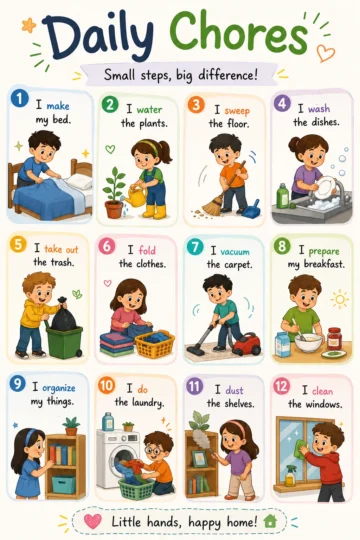
Assign simple chores like setting the table or feeding a pet.
-
Let your child organize their school bag or plan a simple activity.
-
Teach basic decision-making through real choices.
Final Thoughts
The age of seven is a beautiful bridge between early childhood and growing independence. It’s a time when curiosity, creativity, and confidence bloom. With patience, encouragement, and the right mix of fun learning, parents and educators can help children build a strong foundation for lifelong growth.